Introduction
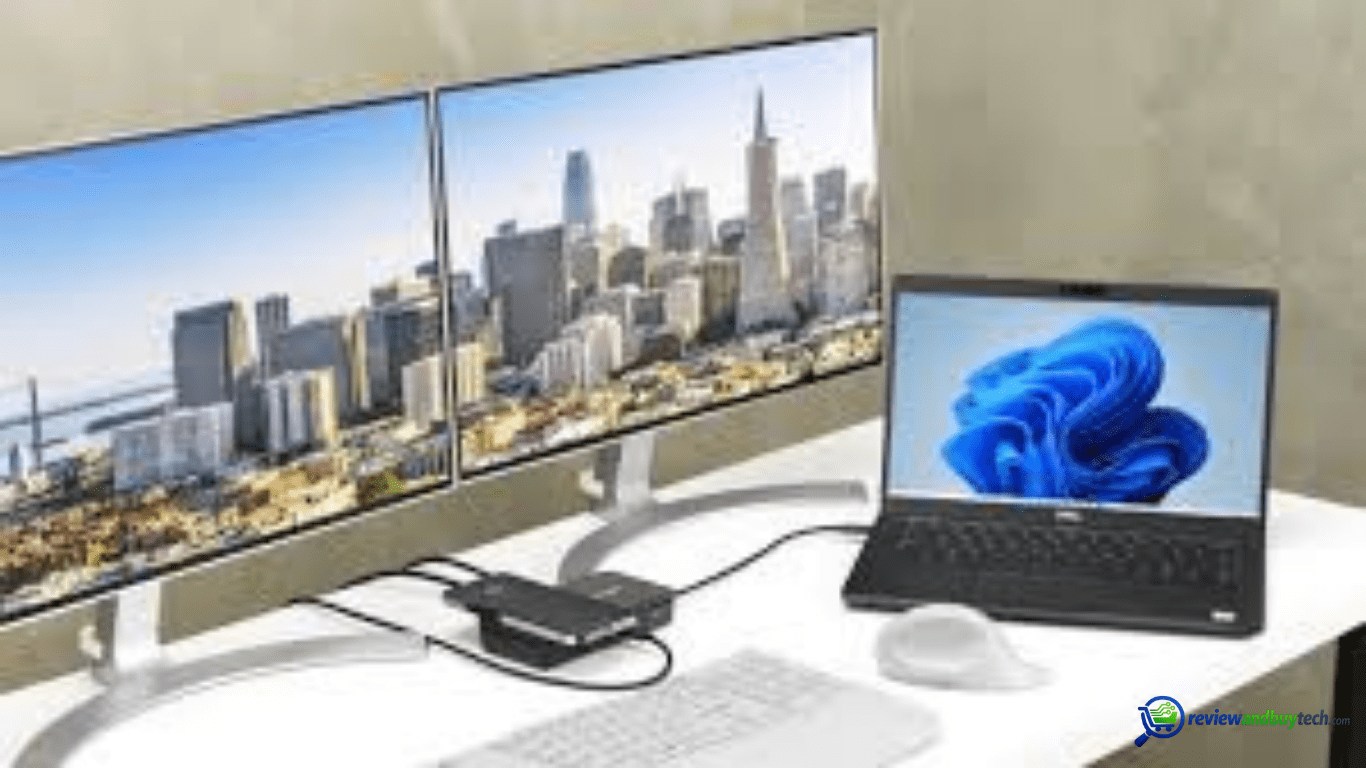
As the display also acts as a docking station, a docking display is an all in one solution that suits modern workspaces perfectly. A regular monitor displays visuals, whereas a monitor with a docking station lets you connect your laptop and peripherals through one cable. Many USB-C docking displays and Thunderbolt docking monitors allow for power delivery, which means that your laptop not only gets charged while displaying high quality video, but data is also transferred to it.
This means you’re able to attach keyboards, mice, external drives and even Ethernet without needing additional adapters or wires. Docking monitors are great for those who want a neat, organized desktop setup, whether at home office, professional workspace or student setup. A docking screen delivers many functions in one setup, saving time and reducing cable clutter allowing remote workers, designers and professionals requiring both power and portability to work more efficiently within a small footprint.
What is a Docking Monitor Explained!
A docking monitor does this by combining display output, data transfer and laptop charge into a single seamless connection. Most recent models feature USB-C or Thunderbolt technology. When connecting your laptop to a USB-C docking screen, one single cable handles the video signals going to the screen, data streaming to its built in USB ports and power delivery, which helps charge your device simultaneously.
That docking screen has an integrated hub for managing Ethernet, USB accessories (including external drives) or even audio devices. Thunderbolt docking display: This provides you with the most signal bandwidth, allowing for faster speeds and multi monitor solutions at a higher refresh rate. This all in one docking station cleans up and organizes to keep for a clean, efficient work station.
Important Features of a Docking For Monitor
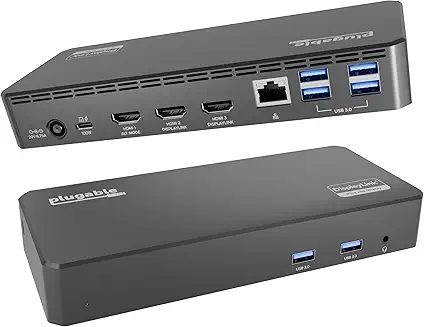
No, a docking for monitor is a full hub for a workstation and not just a widescreen. Make sure that at least these three essential aspects meet your actual requirements. And with that in mind, here is something to help everyone find their fit:13 things you need to know about docks.
USB-C & Thunderbolt Connectivity
- Most of the docking for monitors rely on USB-C or Thunderbolt for high-speed video, data transfer and charging all over one cable.
- A Thunderbolt docking for a monitor is high in bandwidth, so it is suitable for more complex workloads with multiple displays.
Power Delivery (Charging Capability)
- Make sure what wattage it outputs so that your laptop gets adjusted and charges up with efficiency when connected.
- Lots of USB-C docking for monitors can charge up a laptop fully, eliminating the need to use an extra charger.
Built-in USB Hub & Ethernet
- Connect peripherals keyboards, mice and external drives directly to the monitor.
- An integrated Ethernet port promises rock solid wired Internet governance without the need for further adapters.
Display Resolution & Refresh Rate
- Select Full HD, QHD or 4K resolution according to your work or entertainment needs.
- High refresh rates suit a dock display best for designers, editors, and gamers.
Multi-Display Support
- Some docking screens allow daisy chaining so you can use multiple monitors for a large workspace.
- Ideal for multitasking or professional editing configurations.
Learn more about KVM (Keyboard, Video and Mouse Switch) functionality.
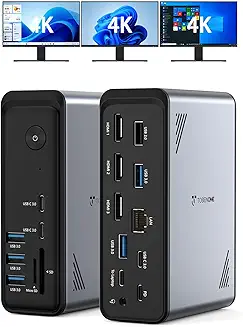
- Some advanced docking displays feature a KVM switch so that you could use one keyboard and mouse across multiple computers.
- Ideal for developers or IT pros who switch out devices regularly
Ergonomics & Adjustability
- Height-adjustable, along with tilt and swivel, for comfort
- Prevents stress when working long hours while preserving an office tidy;
Additional Features to Consider
- Integrated speakers or audio output for conference calls
- VESA mount compatibility for placement flexibility
- And firmware updates for functionality enhancements, as well as security updates
Advantages of Using A Docking Monitor
For the home and office user, a docking screen provides plenty of advantages. The greatest benefit is a clean, single cable setup. A USB-C docking display connects your laptop, charges it and ties all the accessories together in one connection. It minimizes the number of wires trailing from your workspace. Another key advantage is increased productivity.
A monitor with a docking station provides plug and play access to Ethernet, external drives, keyboard and mouse (if appropriate). You don’t have to get a separate docking station or additional adapters. For remote workers and businesses, a Thunderbolt docking display means faster speeds with better multi-display support. Docking for monitors are each timesavers that clean up your setup and create a more efficient workstation setup.
Dock Monitor v/s Docking Station + Monitor Setup.
So for many the question is, use a docking for monitor or get separate docking station plus monitor. A docking display combines both devices into one, meaning you only need a single cable to connect your laptop. It helps declutter your workspace compared to a traditional setup with cables all over the place.
Performance wise, Thunderbolt docking for monitors and USB-C docking monitors provide similar speeds as a standalone dock, but with the convenience of an all in one solution. A separate dock may have more ports, but that takes up extra real estate and setup time.
For most users, a dock monitor brings greater organization, faster setup, and a tidier desk space to the table perfect for your work from home life or professional setting.
Who Should Purchase a Docking Monitor
For those wanting to keep their workspaces clutter free as well as maximized productivity, a docking for a monitor is the perfect solution. Remote workers get the real boon because it allows a single cable connection to power, video and accessories. A USB-C or Thunderbolt docking screen with a built in USB-C dock is an excellent choice if you want high resolution displays (4K or even 5K) and multi display support, making them something creative professionals such as designers and video editors prefer.
Developers and office workers do not need to start collecting tons of additional adapters anymore: connect keyboards, mice, external drives, and Ethernet. Students with laptops can also connect a docking screen to connect easily and even transition from studying to leisure. This docking for monitor removes clutter and saves time from any regular desk setup, so really, anyone who likes a clean, efficient and organised setup will appreciate its presence.
The Basics: What You Need to Make Sure Before Buying a Docking Monitor
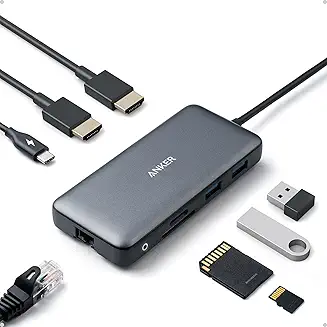
There are a few important factors to verify before making the purchase of a dock monitor, if there are multiple. Make sure your device is compatible with USB-C or Thunderbolt connections check laptop compatibility as a first step. After that, check power delivery: make sure the wattage is appropriate so your laptop will be charged quickly when connected.
Also, examine the port selection. A dock monitor must have USB-C, USB-A and HDMI or DisplayPort and Ethernet if needed. Display resolution and refresh rate: Depending on your work needs Full HD, QHD or 4 K. Also available? Also multi monitor support, KVM option. Finally, review warranty, firmware updates & customer support reliability and long term usage.
Docking display: Would you pay a penny in 2026?
It makes for a docking for a monitor that’s well worth your consideration in 2026. Professional and home use. Because this system combines the display and docking station into one unit, it results in a more streamlined workspace with fewer cords. This would also include Ethernet, and you could charge your laptop and connect peripherals all over a single cable as long as you have USB-C dock monitors or Thunderbolt dock monitors.
Speeding up setup and moving between workspaces, a docking screen can increase productivity for remote workers, creative professionals and office setups. However, traditional docks plus monitors are typically able to provide more total ports; the convenience and neatness of having a dock monitor trump any additional hardware. In short, a docking display is a space saving time saver that boosts your workstation.
Common Docking Monitor Issues & How To Resolve Them
No dock monitors are perfect, but the vast majority of problems are easily resolved. A frequent problem is when the monitor fails to charge your laptop. This is often the case when the USB-C cable isn’t a power delivery one or its supported wattage is too low.
Another issue where Ethernet or USB ports do not work. So check that drivers are up to date and that connections are secure. Some see flashing screens or lower resolution, and can resolve the problem by tweaking some display settings or using a different cable type. Sometimes USB devices disconnect and need reconnections, or firmware needs updates. Just follow these easy steps, and your docking for monitor will provide you with smooth and efficient station experience every single time.
How To Dock Monitors: FAQs And More
There must be many questions before purchasing a dock monitor. A common question is, “For a docking screen, is 4K supported? And most USB-C or Thunderbolt dock monitors do, providing your visage in all the high resolution glory you can handle for work or leisure. The next is, “Can I hook up multiple monitors? Most models are compatible with multi display setups, ideal for productivity.
Some users are still asking, “Do I need Thunderbolt?” Thunderbolt monitors have a little more bandwidth and transfer speeds, while USB-C monitors have overall very good bandwidth for most of what people do. So, will it still function for MacBooks or Windows laptops?People also ask? Most docking displays should work with both; confirm specs. Lastly, “Can a docking monitor replace a dock monitor?” Yes, a cleaner, simpler and more efficient workspace.
Conclusion
In your case, a docking monitor is worth buying if you want to create a better working environment. It keeps the cabling neat and connections simple by blending a display with a dock. USB-C docking monitors and Thunderbolt docking monitors allow you to charge your laptop and connect peripherals and Ethernet through a single cable.
The docking monitor is designed to get you work done. If you are working remotely, if you are a creative professional or a student, it helps make your workspace less cluttered and a tad more productivity-enhancing. Although you can get more ports with conventional docking monitors, the docking monitor will work out to be a smarter pick for many users with all the convenience and efficiency benefits baked in. In essence, a docking monitor is the perfect combination of time saving productivity and optimal workflow capability!
These information are gathered from different surveys, medical tests and tech giants like google, Techradar and more. Our top priority is to provide you valuable information.
For More Details About Different Docking Monitor’s Click Here