
What Is a Mac Touchable Display?
A Touch Display For Mac is a screen you touch instead of just a mouse or trackpad. Many users look for a Mac touch screen or a touch screen MacBook. Apple’s Mac strategy doesn’t include built in touchscreen Macs at this time. This is why there has been interest in an external touch monitor for Mac.
It’s nothing like the old Touch Bar that appeared on some MacBook models where a screen showed virtual controls above the keyboard; this true Touch Display For Mac lets you tap, swipe, zoom and scroll directly on the display. These touch enabled displays for Mac connect over USB-C or Thunderbolt to act as an additional screen with Mac laptops including the MacBook Air and MacBook Pro, and also desktop systems such as the Mac Studio. And for creative work, productivity and presentations alike, a touch display gives macOS a more tactile way to be worked with even if getting it to play along requires third party solutions.
Do Any Macs Come with a Touch Screen?
The question people ask most often is, “Do Macs have touch screens? The short answer is no Apple has never produced a touch screen MacBook or an on desktop Mac touch-screen computer. However, the Touch Bar that Apple did include in some of its older MacBook Pro models wasn’t quite a full touch display for Mac.
Apple always puts a greater emphasis on the experience of the trackpad and keyboard. The firm argues that macOS is best suited for careful cursor manipulation, not full touch input. Apple touch screen rumors have been around for years, particularly for future MacBooks, but nothing official has come out. As a result, users craving a touch display for use with their Mac tend to start looking at external touch monitor options rather than awaiting something from Apple.
macOS Is Not Designed Touch Display For Mac
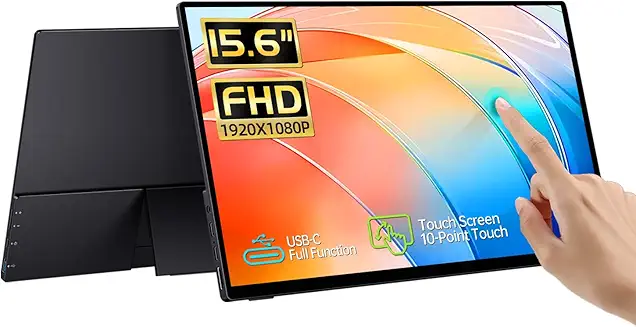
But macOS is not really a touch OS, even if you attach a touch display for Mac. It was designed around a cursor, keyboard and trackpad. Buttons, menus and little icons in macOS were designed to be used with precise pointer control (the mouse), instead of large finger taps like a tablet or touchscreen.
Full macOS touch gestures on a large screen do not come as naturally to macOS as they do in iPadOS. While some apps may take a half step towards acknowledging basic taps, advanced multitouch actions can feel spitefully limited. That said, if you’re wondering whether or not you’ll be able to use touch with your Mac similar as this when utilizing an external Touch Display For Mac, then the solution is definitely that macOS touch support heavily relies on third party drivers. Touch input can get the job done, but macOS remains a pointer-first operating system at heart, so the experience doesn’t always feel as seamless as you’d get on a truly touch first device.
Types of Touch Displays That Will Work with Mac
For a touch display Mac, you have options. The most popular option is an external Mac touch monitor that connects to your device using USB-C or Thunderbolt. They operate as a regular external display for Mac, but can also support touch input, given driver support.
There is also a portable Touch Display For Mac that can be handy and lightweight enough to carry around with your MacBook Air or MacBook Pro. Instead, some users find that Thunderbolt touch display, quickly data transfer, and perform better. There are also touch overlays that you attach to your screen, but these are rare. Some creative users select drawing tablets, but those are not the same as a real touch monitor for Mac for finger interaction.
How to Connect a Touch Display to a Mac (Complete Installation Process)
With the right steps, you can even add a touch display for Mac. However, the Touch Bar that Apple did include in some of its older MacBook Pro models wasn’t quite a full touch display for Mac. Apple always puts a greater emphasis on the experience of the trackpad and keyboard.
Then, touch monitor drivers if need be (for Mac). These drivers provide proper macOS touch support and even basic gestures. After installing, launch System Settings and arrange screens there according to your setup. Other displays require touch calibration to enhance the precision. If touch input is not working appropriately, reboot your Mac and verify permissions. After all this setup, your monitor for Mac will now be an interactive touch screen external display.
Best use cases for touch displays For Mac
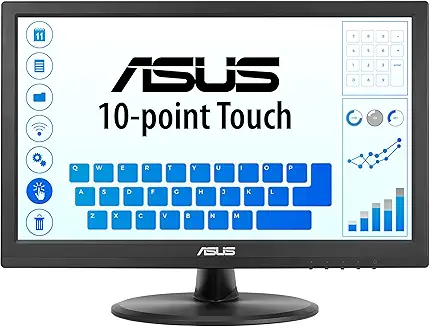
Mac touch screens shortcuts and advantages in everyday work. For creative pros, it enables intuitive touch interaction when drawing, designing or manipulating photos and videos. Given different situations, artists may hold a stylus on an external Touch Display For Mac that can deliver sharp input. A touch screen is great for navigating smoothly through walkthroughs and meeting and allows swipe-through in slides or pinch to zoom docs as you would when you are in real time.
It can be helpful for productivity users who swipe from one app to another or touch with gestures as they scroll through spreadsheets. For accessibility, touch displays connected to a Mac ease access for those who have difficulty using keyboards or trackpads. Touch displays generally add a more tactile nature to macOS as well.
Performance Limitations & Workarounds
The Mac touch display brings interactivity, though it does require some performance sacrifices. As macOS was designed for pointer input gestures, an external Touch Display For Mac does not always behave smoothly. Multi-touch actions can lag at times, particularly on older Mac models.
Third party touch monitor drivers exist for the Mac, but are not maintained across all devices and/or software versions. Also, super high-res displays like 4K ones can have an effect on the performance of the system too (at least if the Mac GPU is up to snuff). Furthermore, use the recommended cables (USB-C or Thunderbolt), keep your macOS updated, and calibrate the touch screen monitor for Mac from time to time. Those steps make touch input as instantaneous as can be.
Ergonomics: Practical Touch on a Desktop?
Using a touch display for Mac on a desktop can be more convenient, though it will have an impact on ergonomics. Reaching out to tap or swipe often can lead to arm fatigue, known as the “gorilla arm” effect. This is particularly apparent with larger external touch displays for Mac mounted vertically on a desktop.
To lessen strain, position the touch display at a comfortable angle and height, with your elbows slightly bent. This is where some users find it better to tilt the monitor or use a short stand that aids interactions. For longer usage, touch input combined with a keyboard and trackpad can provide a more comfortable workflow. When set up correctly, your touch screen monitor for Mac becomes functional while being comfortable and not causing unnecessary strain.
Touch Display vs iPad Sidecar: Which Is Better?
Your Mac may have a better touch display than the iPad Sidecar does. Sidecar lets you use your iPad as a secondary display stylus support included but it’s restricted by how big your screens are and how they connect. An external touch monitor for Mac allows more workspace and more natural gestures. It also runs on its own, separate from your iPad, which is great for creative types and power users.
But iPad Sidecar can be more mobile and useful for light duties. Which works best for you will depend on how you use those tools: if you do serious design or hands on editing, a touch screen monitor for Mac gives both greater precision and flexibility.
Buying Guide: How to Choose the Right Touch Monitor for Mac
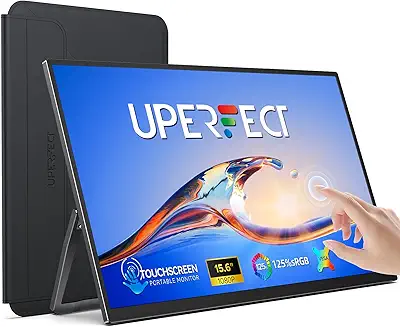
The best touch display for Mac largely depends on your specific needs and workflow. For one, screen size will affect your decision you want larger monitors for design reasons, and smaller portable displays will make more sense if you’re on the road. Resolution is important, too; 4K screens produce sharper images and more virtual real estate.
If you do photo or video editing, check for color accuracy, and make sure the Mac supports macOS, along with the touch monitor drivers required by your Mac. Both are important for creative work as they help with stylus compatibility, and the refresh rate is critical for gesture smoothness. Lastly, please confirm you check the monitor is compatible with your MacBook, Mac Studio or iMac. A good touch screen monitor for Mac will increase productivity and make the use of touch feel natural.
Future of Touchscreen Macs
While Apple hasn’t yet released any touchscreen Macs, we should be optimistic about the future of a touch display for Mac as technology advances. Upcoming MacBooks may use something like on cell touch technology, which is used in high end tablets and some external monitors. This would let macOS fully support touch all without third-party solutions or external monitors.
Apple may also experiment with hybrid designs that combine a high fidelity trackpad with direct touch for creative and productivity tasks. Until then, and remains anyone wanting a Mac with a touch screen monitor will have to continue making do with third party touch displays or iPad Sidecar. Monitoring Apple’s announcements will help you decide on your best setup when real touchscreen Macs finally make their way to market.
FAQs (Featured Snippet Optimized)
Here are responses to the most frequently asked questions about a touch display for Mac:
How do I make my Mac a touchscreen?
Sure, with the correct drivers, an external Touch Display For Mac will give you a touch screen on any MacBook, Mac Studio or iMac.
Why doesn’t Apple build touch MacBooks?
Apple thinks macOS is best experienced with a trackpad and keyboard. This interface is meant for precise pointer manipulation not finger taps.
Is macOS Touch compatible as a whole?
External touch monitors usually work on macOS but have limited multi touch gestures and need drivers installed.
Do touch displays work with the Mac Studio?
Yes, Mac Studio works as a Touch Display For Mac and is perfect for creative professionals.
Conclusion
Because an Apple Touch display for Mac would provide a hands on way to control your Mac, whether through creative work, productivity or presentations. No MacBook comes with a native Mac touch screen option but it is possible to connect external Mac touch screen monitors and make your Apple laptops work hard!
Knowing macOS touch (and system) limitations isn’t too much of a worry, ensuring a smoother experience. Select the right display, in terms of size, resolution, color accuracy and stylus compatibility; this can mean touch input feels intuitive and efficient.
No matter whether you’re a designer, professional or productivity oriented user, a touch display that works with your Mac gives you flexibility and convenience. Now is the right time to do that, as future innovations from Apple will probably bring better touch integration, but until then, you can explore external options to enhance your workflow.
These information are gathered from different surveys, medical tests and tech giants like google, Techradar and more. Our top priority is to provide you valuable information.
For More Details About Different Touch Display For Mac Click Here