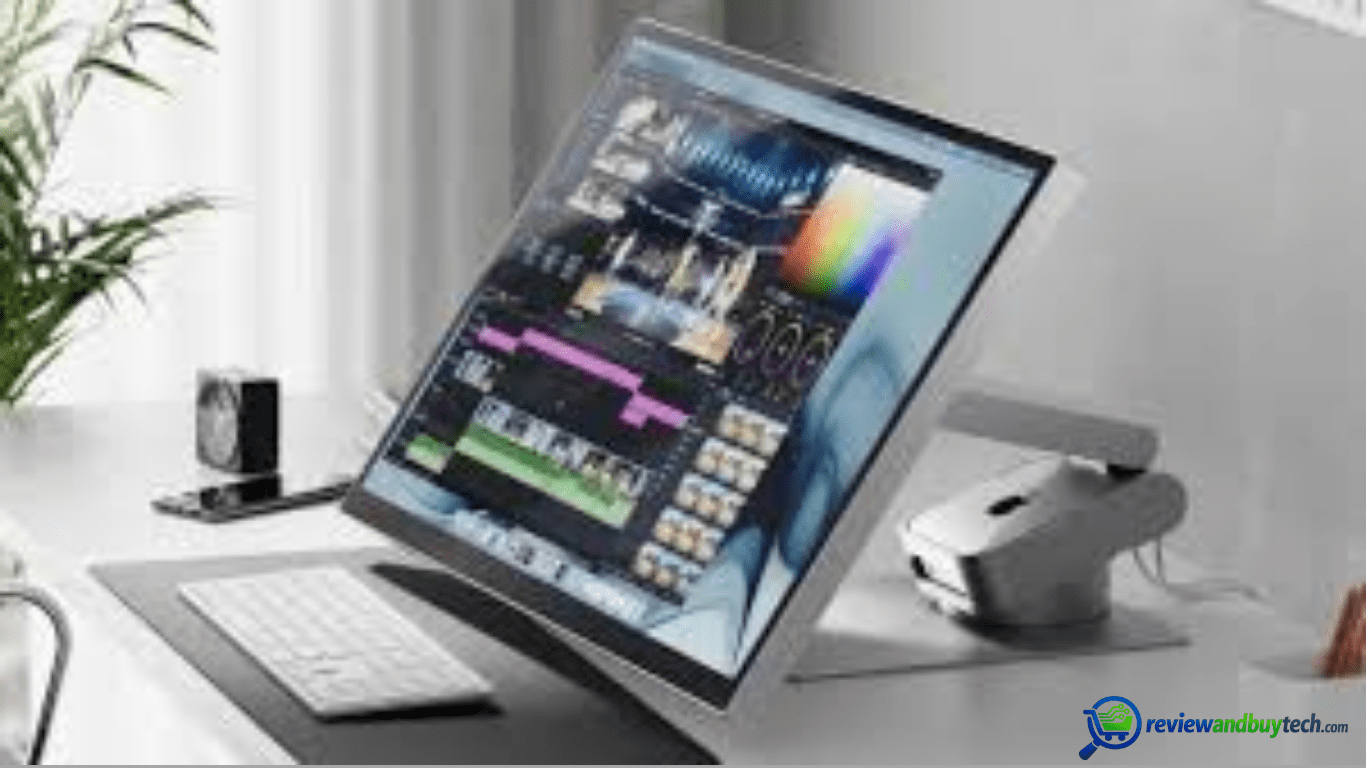
Does Any Mac Currently Have a Touchscreen?
If you’re trying to find a then the quick answer is that. There is no way that the MacBook Air or MacBook Pro have touchscreens. MacBook Pro offers a touchscreen Mac experience. Apple has maintained macOS optimized to work with mouse, keyboard, and trackpad inputs instead of touch input.
There are many who confuse the original Touch Bar with a real MacBook touchscreen. It was actually a tiny touchscreen that was located above the keyboard, and not the large display. If you’re thinking, “Does Mac have touchscreen capabilities?” The answer is not Apple touchscreen Mac reports remain in the news. However, at present, there’s no official touchscreen Mac available.
Why There Is No Touchscreen on Mac
Many people ask why there is still no touchscreen on Mac, especially when most Windows laptops offer touch displays. Apple’s main reason is design philosophy. The company believes that macOS is best used with keyboards, mice or trackpads, not with finger input. The Mac interface has tiny buttons and precise commands, which are not designed for gestures using fingers like iPadOS.
There are also ergonomic concerns. Using a touchscreen MacBook for long periods can cause arm fatigue, often called the “gorilla arm” problem. Apple also wants to keep a clear difference between the iPad and Mac product lines. For now, Apple believes traditional input provides better productivity on macOS.
Is Apple Planning to Add a Touchscreen on Mac?
Even though there is no touchscreen on Mac today, rumors suggest Apple may be testing new ideas. The reports of the possibility of an OLED MacBook Pro raised speculation of a Certain analysts believe that Apple is experimenting with touch based support for macOS; however, nothing has been confirmed yet by Apple. The Apple touchscreen Mac reports frequently mention the possibility of a release in 2026 or later.
The truth is, Apple has not announced the possibility of a touchscreen Mac or announced an expected launch date. Apple is famous for putting off changes until the technology and software are optimised before making major modifications. In the moment there is a possibility that the possibility of a touchscreen on Mac is an option, however it’s not something that has been verified. Customers must monitor updates that are officially announced by Apple.
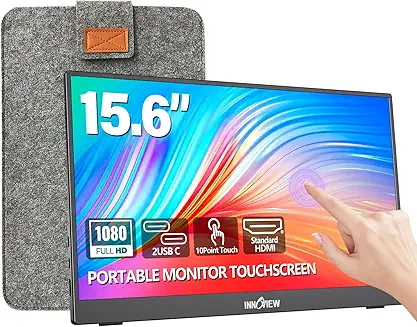
Can You Add a Touchscreen on a Mac Yourself?
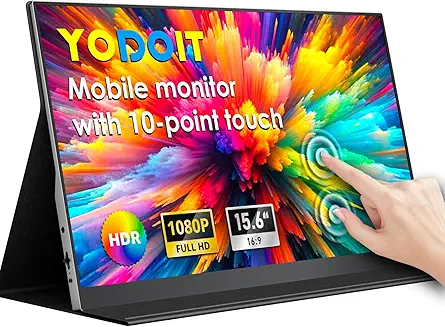
Although there isn’t a built-in, a lot of users are looking for ways to support touch. One solution is to install the. Many touchscreens with USB-C advertise compatibility with macOS. However, the functionality of touch is not fully supported because macOS isn’t fully compatible with gestures for touch like Windows.
In the majority of instances, the screen will be used as a display; however, advanced multi-touch functions may not be responsive. There is also the possibility of third-party drivers that can be faulty. There is the possibility of connecting the display of a touchscreen on Mac Book but it won’t appear as an actual touchscreen on Mac. It’s possible, however there are limitations.
Touchscreen on Mac vs Windows Touchscreen Laptops
When you check the differences between a Windows laptop related to other laptops, this is the clear difference. Most Windows laptops, such as those in the Surface family, include touchscreen on mac support with multi-touch gestures like those found on tablets, as well as drawing pens. These laptops are very flexible to work in a creative manner making notes, or general navigation. touchscreen on MacBooks, on the contrary, do not come with a touchscreen. macOS is designed for keyboard, trackpad, and mouse, or keyboard input, and so attempting to incorporate touch input often appears to be a bit limited.
Even external touchscreen monitors, or Sidecar using an iPad, aren’t able to recreate that Windows screen experience. If you’re seeking a real touchscreen user interface, Windows laptops offer better support for touch than the present MacBook. However, Mac is still a leader in the software ecosystem and productivity.
Using an iPad as a Touchscreen for Mac
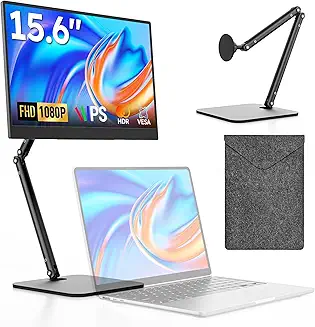
Although there isn’t a built-in, Apple offers an alternative using an. This feature allows the iPad act as a second screen for the MacBook and lets you utilize the capability to use Apple Pencil and touch. The iPad allows you to draw, tap as well as interact with Mac apps direct on your iPad display.
The process of setting it up Sidecar is easy. The iPad must be connected iPad directly to your Mac through USB or Wi-Fi. Following this, switch on Sidecar within the System Preferences. Although it’s unable to convert you MacBook to a touch screen device, it can provide many benefits of touch based interactions, especially when it comes to tasks that require creativity for example, drawing, editing photos or even adding annotations to documents. It’s currently the most effective option for touch based Mac users.
Pros and Cons of a Touchscreen on Mac
A can provide a variety of benefits, but it comes with some disadvantages. Let’s take them apart: The use of touch input allows drawing, photo editing and design to be more intuitive. Utilizing applications such as Sidecar, which work using an iPad, could enhance workflows for creative work. Those who utilize gestures, or tapping trackpads as well as keyboards, can communicate using applications. Tapping and swiping could speed up activities including scrolling, zooming and switching between applications.
Notes on documents or sketching ideas can be done faster thanks to touch based interaction. The use of HTML0 for long periods can result in fatigue of the arm, also known as the “gorilla arm” problem. Touchscreens can attract streaks of smudges that make the display less transparent. Many gestures and controls might not function properly because macOS is not built to support full-touch. Displays that support touch will drain battery more quickly than regular MacBook screens.
Who Actually Needs a Touchscreen on Mac
Not all Mac users could benefit from having a; however, certain categories could find it beneficial.
Creative Professionals___ designers and photo editors are able to make use of the use of touch input to sketch or drawing as well as precise editing, especially when it is paired with the iPad through Sidecar.
Students___ Touchscreens are used for annotation of PDFs and notes and for interfacing with educational apps more quickly and efficiently.
Business Users__ Simple gestures for presenting, Excel spreadsheet navigation, and even multi-tasking, can increase the effectiveness of your process.
Casual Users___ To perform everyday tasks, such as scrolling, zooming or browsing, using an electronic device with touchscreens is pleasant and easy.
While a touchscreen may aid those who use it, MacOS’s limited touch support makes alternatives such as Sidecar and external touchscreen monitors the best options for today.
Should You Wait for a Touchscreen on Mac?
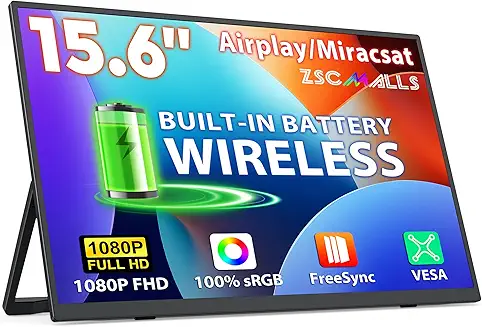
If you’re looking forward to an it’s possible to be wondering if it’s worth waiting around for Apple to announce one. In the moment, Apple has not confirmed that it is running a touchscreen enabled MacBook currently however, macOS doesn’t have the most complete support for touchscreen input. Rumours about OLED MacBooks or even futuristic touchscreen Macs are floating around but nothing has been confirmed.
For the majority of users, waiting might not be a viable option. Students, creative professionals and business users have already mastered the functionality of a touchscreen on mac with one or another external touchscreen monitor. These options provide the advantages of a touchscreen, without relying on Apple to launch the first native touchscreen enabled MacBook.
Alternatives to a Touchscreen on Mac
There’s no built in system that lets users explore a variety of options. One option that is popular is to make use of an iPad which supports touch input as well as Apple Pencil support, and drawing directly into Mac applications. It’s ideal for work that requires creativity, such as sketching, editing photos and annotation of documents.
Another alternative is an option. Although macOS does not fully support touch gestures, these displays can still offer basic tapping and navigation capabilities. For those who need all touchscreen capabilities, many consumers are considering hybrids for tasks such as drawing and taking notes. With these two options, Mac users can experience the benefits of touchscreens without waiting for Apple to announce the very first touchscreen MacBook.
The Future of Touchscreen on Mac
The future of technology isn’t clear but it’s definitely very promising. Apple hasn’t yet made any announcements regarding a touchscreen equipped MacBook however rumors of OLED MacBooks and most advanced display technology are being circulated. Analysts believe that Apple might look into touchscreen support in future models, particularly as the devices and macOS develop.
Any possible touchscreen Mac will require significant software updates, as macOS is designed to work with trackpad, keyboard, and mouse inputs, rather than finger movements. Apple could also be focused on preserving an erasable distinction between Mac and iPad to prevent overlapping features. At present, creative professionals as well as everyday users can depend on other external monitors. The ultimate touchscreen Mac might be coming in the near future; however, alternatives are still the most efficient choice for today.
Common Issues Common Problems Touchscreen on Mac
While many users would love to have the possibility of a but there are a few common issues that make it difficult. The first is that this is why menus, buttons and even small icons rarely respond to finger movements. This makes navigation difficult in comparison to Windows laptops with touchscreens. The second result from prolonged use. When you reach up to reach the screen for extended periods of time can result in arm fatigue and is also referred to in “gorilla arm” or “gorilla arm” problem.
Three Monitors with touch screens or using the iPad with Sidecar could work, but precision and multi-touch gestures are typically restricted. In the end, could reduce the visibility of screens as well as battery life. be affected by devices that allow touch. In the end, these issues make using a touchscreen native to a Mac extremely difficult to use full-time.
FAQ Touchscreen on Mac
Here are a list of frequently asked issues to aid users in getting a better understanding of the situation: At present, there’s no any confirmation by Apple. Rumors suggest of Apple might test touchscreens with the new MacBook. It’s not confirmed. macOS is designed from the ground up to be used with keyboards, trackpads and mice.
Finger gestures similar to those on iPadOS don’t work with Mac interfaces. It is possible to use an external touchscreen display or an iPad equipped with Sidecar; however, macOS restrictions may limit the functionality. As of now for now, using Sidecar or other monitors gives the best experience with no having to wait.
Conclusion For The Touchscreen on Mac
In conclusion, I would say that the introduction of a is an excellent addition to the Mac for many users, including students, creative professionals, or business customers. It can allow drawing, editing, notating, and using apps more easily. It is important to note that macOS does not come fully designed to work with touchscreens, and the use of touchscreens on Mac has limitations, including reduced function and problems with ergonomics, fingerprints and a potential impact on battery.
At present, the most effective options for interaction with a touchscreen are to use an or to an external touchscreen monitor. As rumors of the coming release of touchscreen Macs continue to be discussed, there’s still no timetable to announce a release date. If you’re seeking the ability to use your fingers now, this is the best option to get an identical experience without the need to wait for Apple.
These information are gathered from different surveys, medical tests and tech giants like google, Techradar and more. Our top priority is to provide you valuable information.
For More Details About Different Touchscreen on mac Click Here